

-
Vitamin B12 Supplement | 100% Organic | Plant Based
Regular price From Rs. 299.00 INRRegular priceRs. 300.00 INRSale price From Rs. 299.00 INRSale -
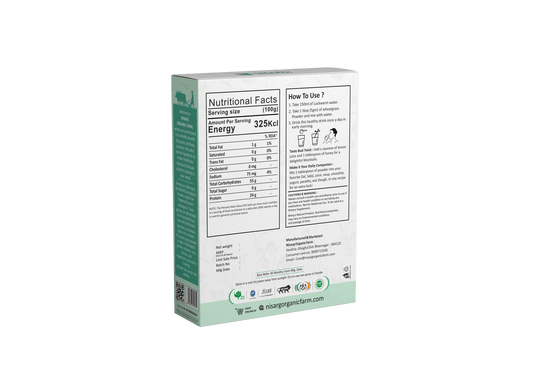
Rasayan Powder (Churna) | Improve Immunity | For Constipation
Regular price From Rs. 79.00 INRRegular priceRs. 80.00 INRSale price From Rs. 79.00 INRSale -
Organic Ashwagandha Root Powder (Churna)
Regular price From Rs. 149.00 INRRegular priceRs. 150.00 INRSale price From Rs. 149.00 INRSale -
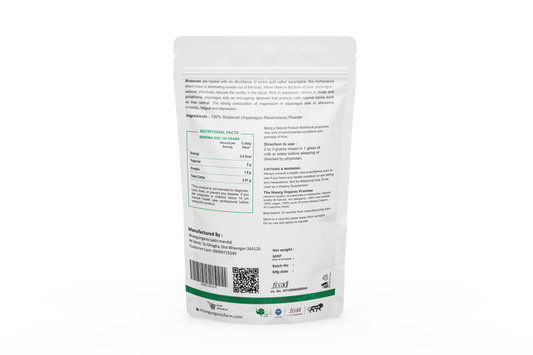
Organic Shatavari Powder | Asparagus powder
Regular price From Rs. 119.00 INRRegular priceRs. 120.00 INRSale price From Rs. 119.00 INRSale -
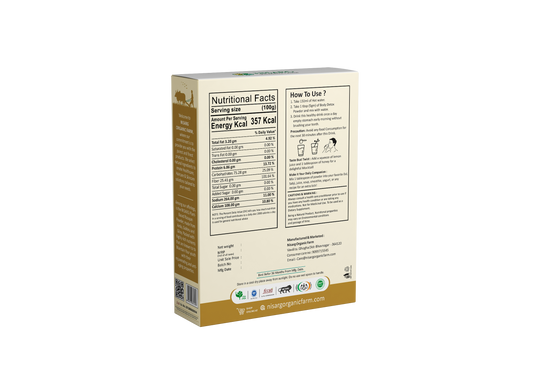
Body Detox Blood Purifier | Body Detox Supplement
Regular price From Rs. 299.00 INRRegular priceRs. 300.00 INRSale price From Rs. 299.00 INRSale






About Stress & Sleep Care
Ayurvedic adaptogens for stress, calm and sleep. Herbs that help the body handle pressure rather than sedating it.
What an Adaptogen Actually Is
An adaptogen does not stimulate or sedate. It supports the body's stress-response system (primarily cortisol regulation) so that the same amount of pressure lands differently.
Which means: it will not knock you out like a sleeping pill. If you expect that, you will conclude it did nothing. What people usually report instead is falling asleep more easily and waking less.
The Herbs
- Ashwagandha: the primary one. Somnifera literally means sleep-inducing. Root only, never leaf
- Tulsi: daytime calm and clarity, taken as tea
- Lemongrass: caffeine-free evening tea, traditionally calming
- Shatavari: for stress tied to hormonal shifts
The Routine That Works
Morning: tulsi tea, calm without sedation.
Evening: lemongrass tea instead of a third coffee.
Night: 1 tsp ashwagandha in warm milk with a pinch of jaggery, 30–60 minutes before bed. This is the traditional preparation and it works better than water.
Give It Three to Eight Weeks
Adaptogens are cumulative. Most people notice changes in sleep quality and stress response somewhere between weeks 3 and 8. Nothing happens on night one, and that is not a failure. It is how this class of herb works.
Who Should Avoid Ashwagandha
Pregnant and nursing women, people with hyperthyroidism or thyroid conditions, those with autoimmune conditions, and anyone on sedative, immunosuppressant or blood pressure medication should consult a doctor first.
When It Is More Than Stress
Persistent insomnia, low mood lasting weeks, or anxiety that interferes with daily life deserves proper support from a doctor or therapist. Herbs help with load; they do not treat depression or an anxiety disorder.
Food supplements, not medicines. These statements have not been evaluated by the FDA. Not intended to diagnose, treat, cure or prevent any disease.